
Call: 08045815461
 Send Inquiry
 Send Inquiry
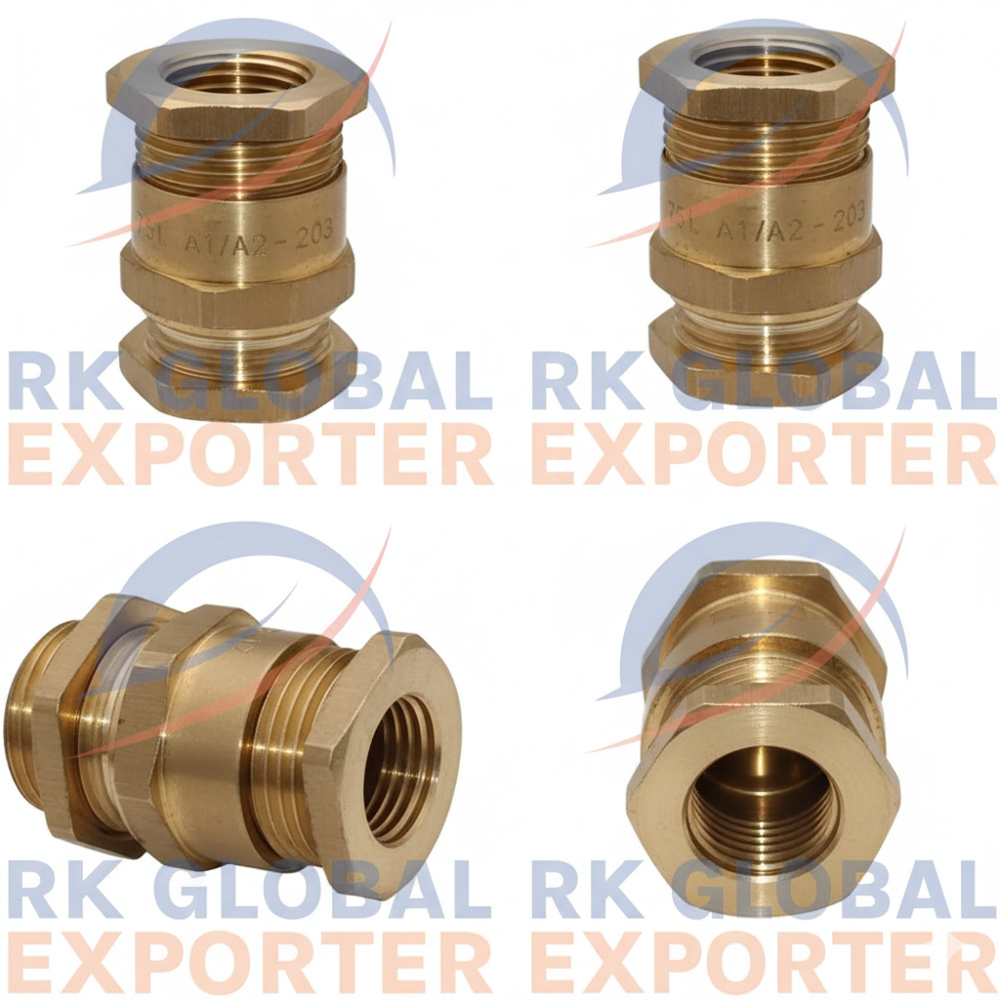
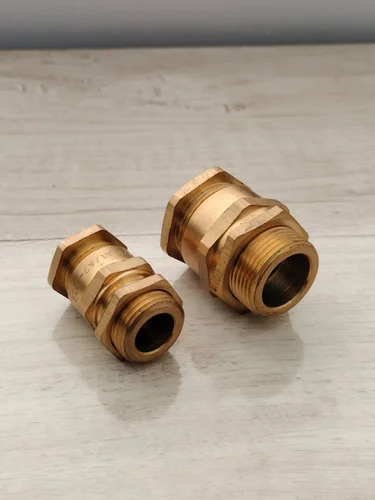
63L A1 A2 Type Brass Cable Glands
Price 672.9 INR/ Unit
MOQ : 10 Pieces
63L A1 A2 Type Brass Cable Glands Specification
- Usage & Applications
- Industrial
- Phase
- Single Phase
- Warranty
- 1 Year
- Material
- Brass
- Size
- 63mm
63L A1 A2 Type Brass Cable Glands Trade Information
- Minimum Order Quantity
- 10 Pieces
- Supply Ability
- 1000 Pieces Per Month
- Delivery Time
- 7 Days
About 63L A1 A2 Type Brass Cable Glands
-
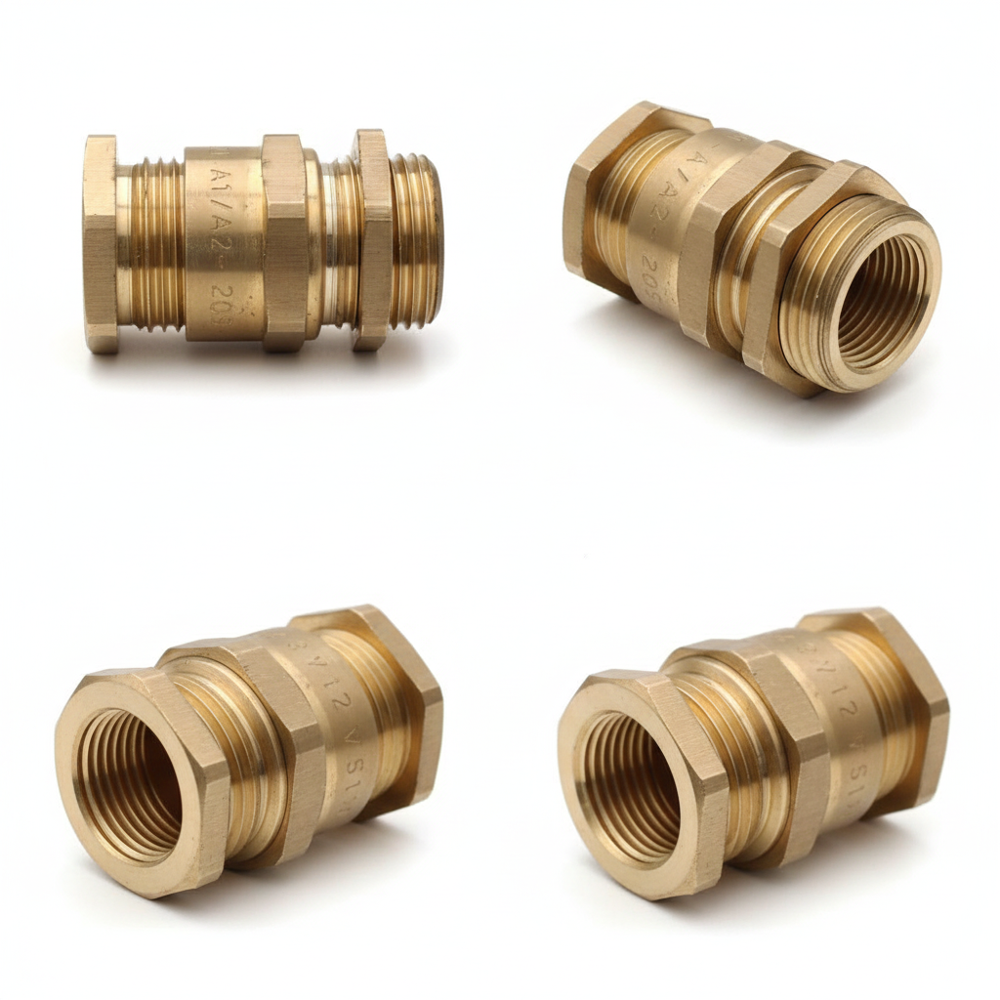
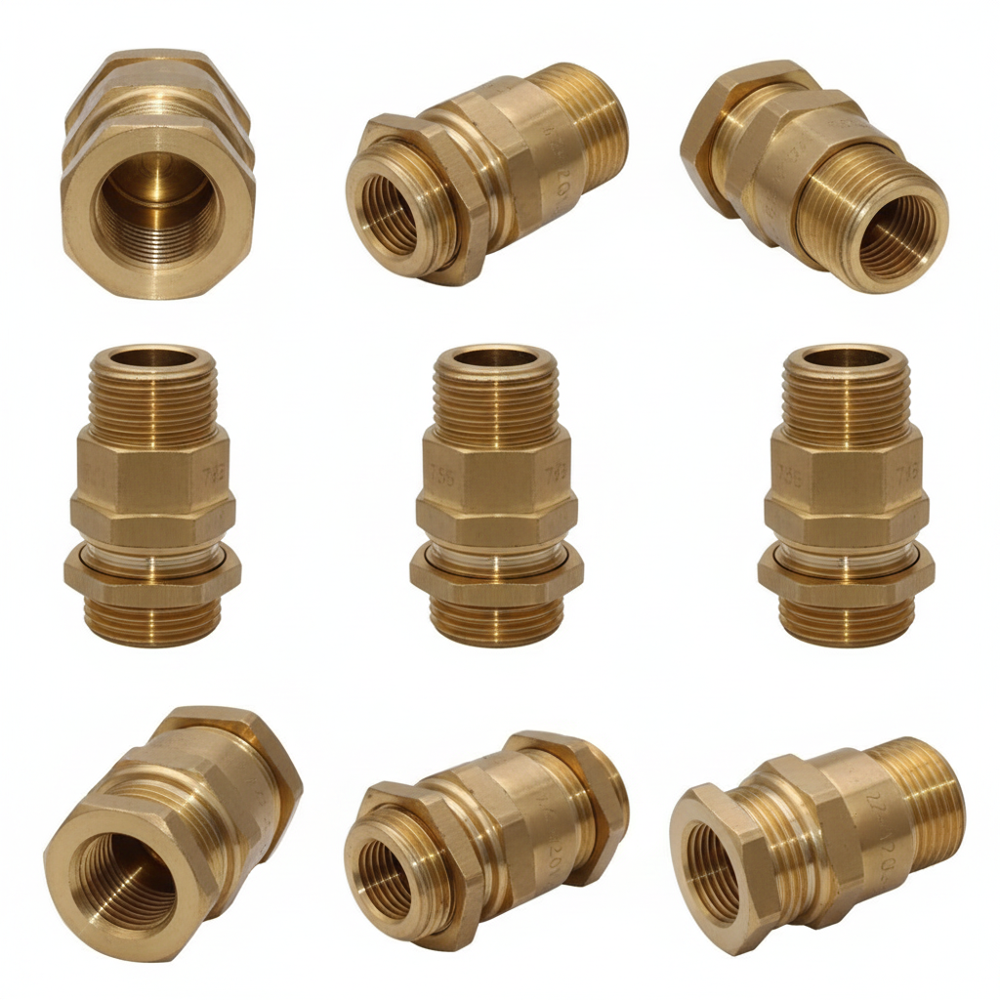
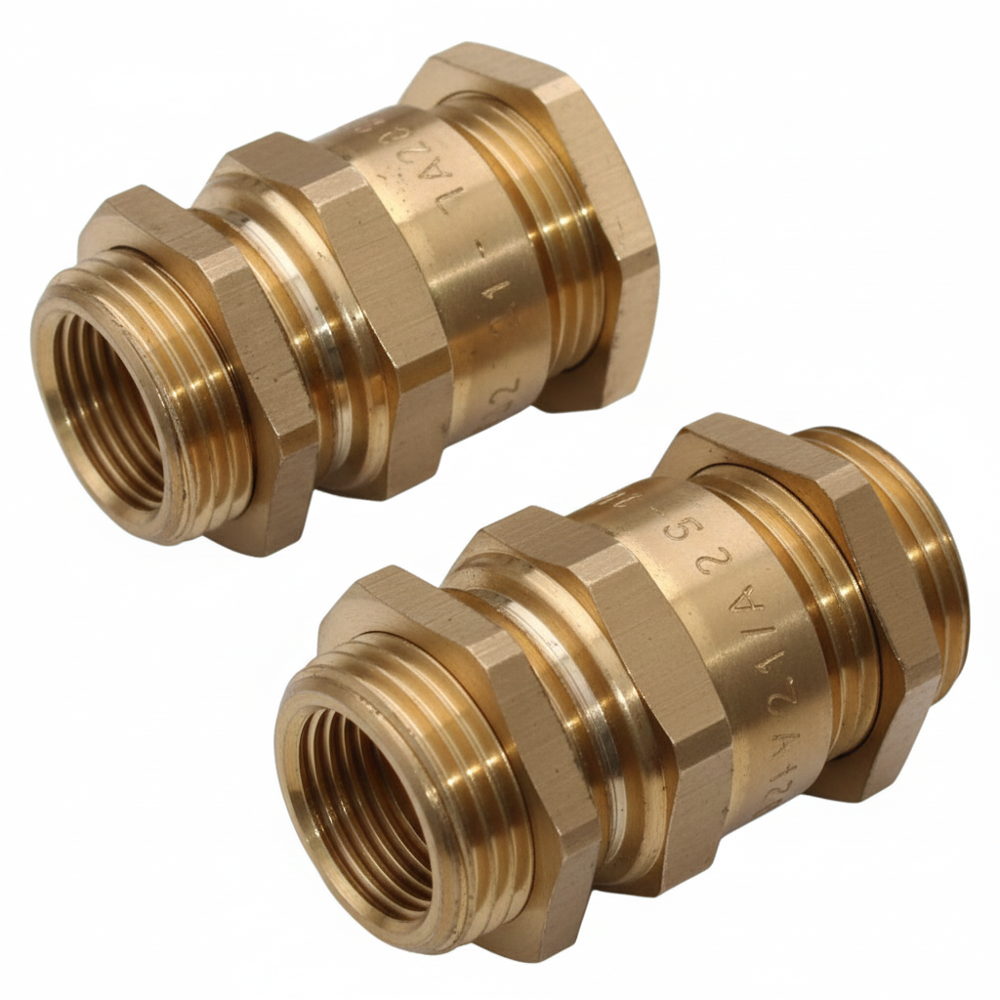
Product Name: 63L A1 / A2 Type Brass Cable Gland
-
Size: 63L
-
Type: A1 / A2 Type
-
Material: High-quality brass
-
Function: Secure termination and sealing of armoured cables
-
Compression Type: Double compression
-
Ingress Protection: IP68 (dustproof and waterproof)
-
Corrosion Resistance: Excellent resistance to moisture and industrial environments
-
Cable Type: Suitable for armoured cables
-
Finish: Natural brass / nickel plated (optional)
-
Applications: Electrical panels, oil & gas, refineries, power plants, heavy industries
-
Standards: Industrial-grade, suitable for indoor and outdoor use
-
-
Feature Description Material High-Grade Brass Offers excellent durability, mechanical strength, and corrosion resistance. Available Sizes: 16S to 90L Supports a wide range of cable diameters for diverse applications. Thread Types ET, NPT, M Compatible with global thread standards for easy installation. Suitable for Armoured & Unarmoured Cables Ensures secure cable clamping and reliable sealing. Industrial Applications Ideal for electrical panels, marine systems, instrumentation, and control equipment.
Reliable and Versatile Industrial Cable Glands
These 63L A1 A2 Type Brass Cable Glands offer robust cable protection and management for industrial environments. Suitable for single-phase installations, they ensure secure connections for power and control cables. The brass construction provides strength and corrosion resistance, making them ideal for rigorous applications. Trusted by distributors, exporters, and manufacturers in India, these glands meet industry standards and come with a 1-year warranty for peace of mind.
Optimized for Tough Industrial Conditions
Designed for 63mm cable sizes, these brass glands fit a wide range of industrial setups. Their precision engineering guarantees easy installation and reliable sealing, protecting cable entry points against dust, moisture, and strain. As a supplier, service provider or trader, integrating these brass cable glands into your product offering can enhance operational efficiency and safety for industrial clients.
FAQ's of 63L A1 A2 Type Brass Cable Glands:
Q: How are the 63L A1 A2 Type Brass Cable Glands installed in industrial settings?
A: Installation is straightforward, involving insertion of the cable through the gland body, placing required sealing components, and securing the gland tightly into the appropriate enclosure entry. This ensures optimal cable retention and environmental sealing, which is vital for industrial safety.Q: What applications are ideal for these 63L A1 A2 Brass Cable Glands?
A: They are best suited for industrial environments requiring secure cable terminations, particularly in single-phase power systems. Their robust build makes them perfect for factories, power plants, and control panels where protection against dust and moisture is necessary.Q: When should I consider using brass cable glands instead of other materials?
A: Brass cable glands are recommended when superior durability, corrosion resistance, and electrical conductivity are needed, particularly in industrial settings or where the cable gland may be exposed to harsh environmental conditions.Q: Where can these cable glands be sourced in India?
A: These glands are available via multiple channels, including distributors, exporters, importers, manufacturers, suppliers, and traders across India. Their wide distribution network ensures accessibility for various industrial projects.Q: What is the process for selecting the correct cable gland size and phase?
A: Choosing the proper gland involves matching the cable diameter to the gland size, which for this product is 63mm. Also, ensure your installation aligns with the single-phase specification for optimal performance and compatibility.Q: How does using a brass cable gland benefit industrial electrical installations?
A: Brass cable glands deliver strong mechanical protection, excellent resistance to corrosion, and reliable electrical performance. Their use minimizes maintenance needs, enhances safety, and supports long-term durability in demanding environments.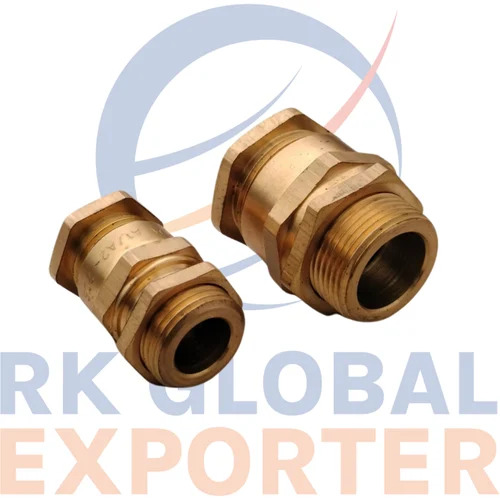
Tell us about your requirement

Price:
Quantity
Select Unit
- 50
- 100
- 200
- 250
- 500
- 1000+
Additional detail
Mobile number
Email

More Products in A1 A2 type Cable Glands Category
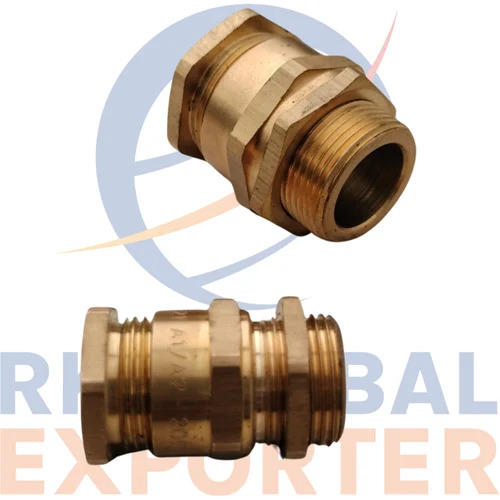
25S A1 A2 Type Brass Cable Glands
Price 173.0 INR / Unit
Minimum Order Quantity : 10 Pieces
Material : Brass
Warranty : 1 Year
Usage & Applications : Industrial
Size : 25mm
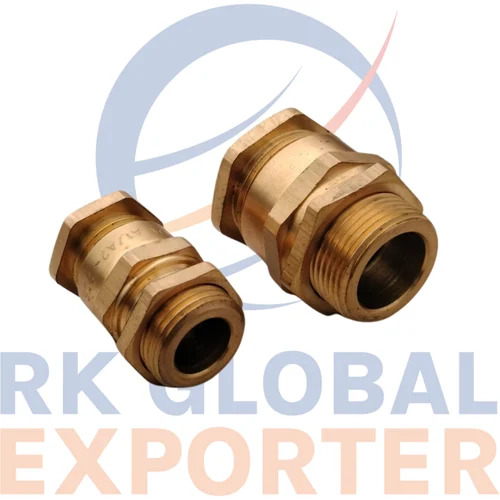
63S A1 A2 Type Brass Cable Glands
Price 736.4 INR / Unit
Minimum Order Quantity : 10 Pieces
Material : Brass
Warranty : 1 Year
Usage & Applications : Industrial
Size : 63mm
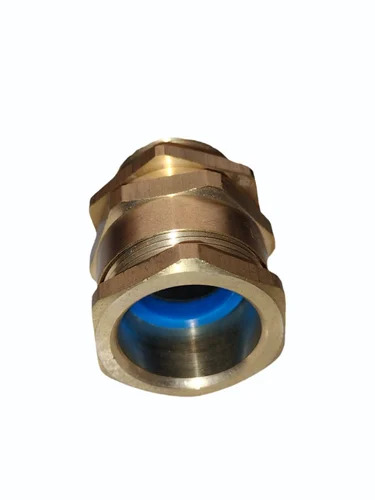
32S A1 A2 Type Brass Cable Glands
Price 223.8 INR / Piece
Minimum Order Quantity : 10 Pieces
Material : Brass
Warranty : 1 Year
Usage & Applications : Industrial
Size : 32mm
20S A1 A2 Type Brass Cable Glands
Price 106.92 INR / Unit
Minimum Order Quantity : 10 Pieces
Material : Brass
Warranty : 1 Year
Usage & Applications : Industrial
Size : 20mm

Contact Details
RK GLOBAL EXPORTER
GST : 24FHCPS2573C2ZF
- FF9, Vardhini Complex, Near Hanuman Cross Road, Makarpura GIDC,Vadodara - 390010, Gujarat, India
- Phone :08045815461
 Send Inquiry
Developed and Managed by Infocom Network Private Limited.
